
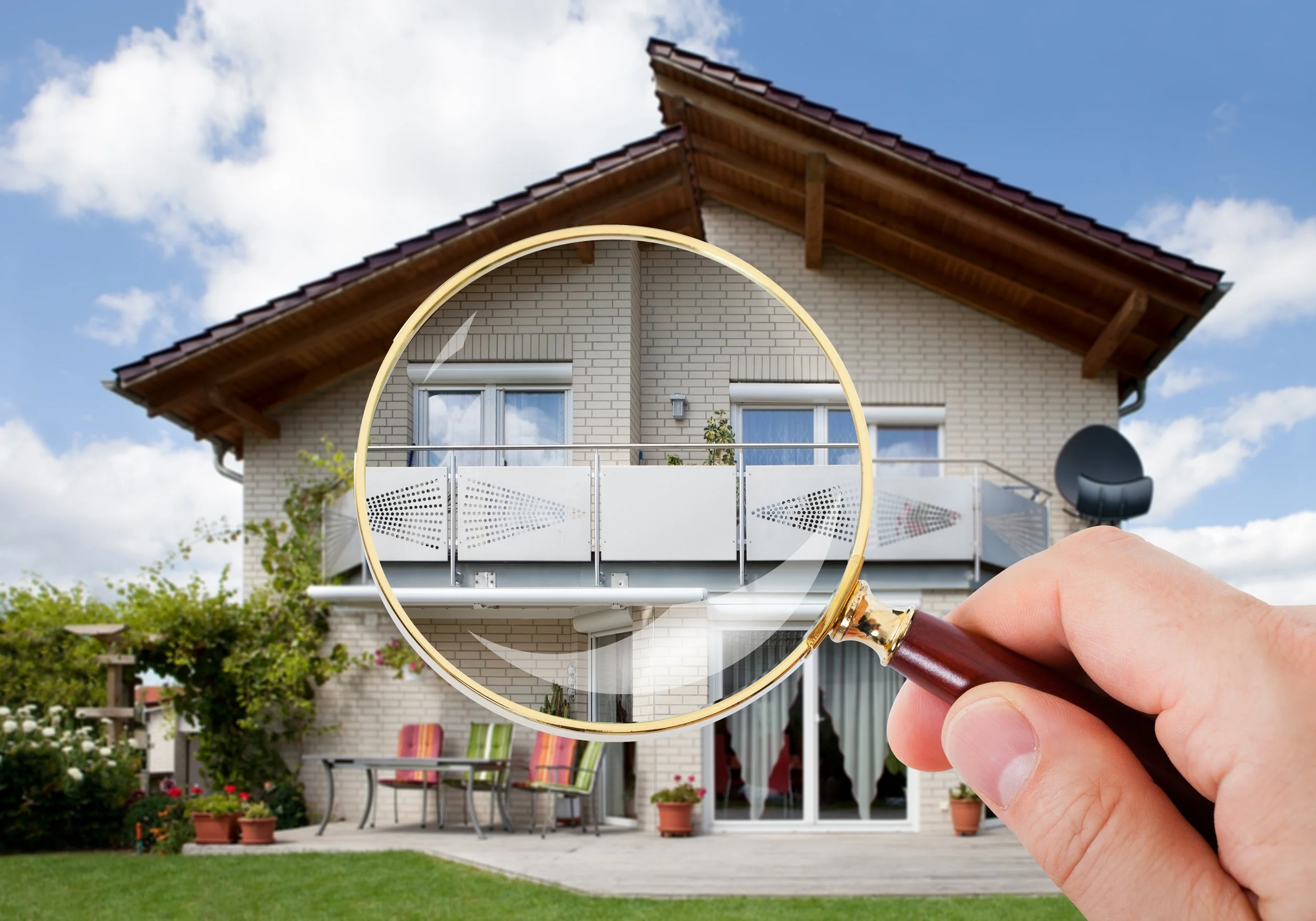
Diagnostic Testing
Finding out what’s really happening, not just what’s visible.
Most problems in a building don’t announce themselves clearly. A cold room, a musty smell, a recurring stain, a stubborn energy bill, these are symptoms, not diagnoses. The Building Science Group uses a full range of diagnostic testing tools to look past the surface and identify exactly what’s happening inside your walls, under your floors, and throughout your building’s systems.
This is the foundation of everything we do. Before we recommend a plan, we test. Before we verify a fix, we test again. Diagnostic testing isn’t a single service, it’s the evidence behind every answer we give.
Blower Door Testing — measures air leakage throughout a building, identifying drafts and gaps that can’t be felt or seen
Infrared Thermal Imaging — reveals temperature differences behind walls, ceilings, and floors, exposing missing insulation, moisture intrusion, and air leaks
Moisture Meters — detect hidden moisture in building materials before it becomes visible damage or mold
Smoke Tracers — visually track air movement and pressure differences through a structure
Borescopes — allow us to see inside wall cavities and tight spaces without unnecessary demolition
Combustion Analysis — tests heating equipment and venting systems for safety and efficiency, including carbon monoxide risk
Air Quality Monitors — measure indoor air for VOCs, particulates, and other indicators of air quality concerns
Laboratory Mold Testing — identifies mold species and concentration levels through certified lab analysis
Our diagnostic tools include:
What testing can uncover.
The real source of a draft, cold spot, or uneven temperature
Hidden moisture before it leads to structural damage or mold
Air quality issues affecting health and comfort
Combustion safety risks, including carbon monoxide
Whether a building was constructed or renovated according to plan
Code compliance for energy performance and ventilation
Who is this for?
Homeowners trying to solve a mystery issue or understand a building’s true condition before buying, selling, or renovating
Architects and builders who need pressure testing, code compliance verification, or confirmation that construction matches design
Municipalities and institutions managing public buildings who need reliable diagnostic data to inform capital planning or strategic improvements
Nonprofits and commercial property owners addressing comfort, air quality, or energy concerns across one building or several
Testing on its own is just information. What makes it useful is what happens next. Every diagnostic finding feeds directly into a scope of work, and once that work is complete, we return to verify it with the same tools that found the problem in the first place. That’s Diagnose, Plan, Verify in practice: testing isn’t the end of the process, it’s the start of it.