
Indoor Air Quality Testing
A feeling that something’s wrong isn’t a diagnosis. Testing is.
Indoor air quality issues rarely come with an obvious cause. They show up as unexplained headaches, persistent allergy symptoms, a musty smell that won’t go away, or a sense that something in the building just isn’t right. Guessing at the cause, or treating the symptoms, rarely solves the problem. The Building Science Group tests for what’s actually in the air, so a vague concern becomes a specific, solvable building problem.
What we test for:
VOCs (Volatile Organic Compounds) — chemical off-gassing from building materials, finishes, furniture, and cleaning products
Mold spores & moisture-related contaminants — identified through NYS Licensed Mold Assessment and laboratory analysis
Combustion byproducts — including carbon monoxide from heating equipment and venting issues
Particulates & allergens — airborne particles that affect comfort and respiratory health
Humidity & moisture conditions — the underlying driver behind many air quality problems
A Real Case, not a hypothetical.
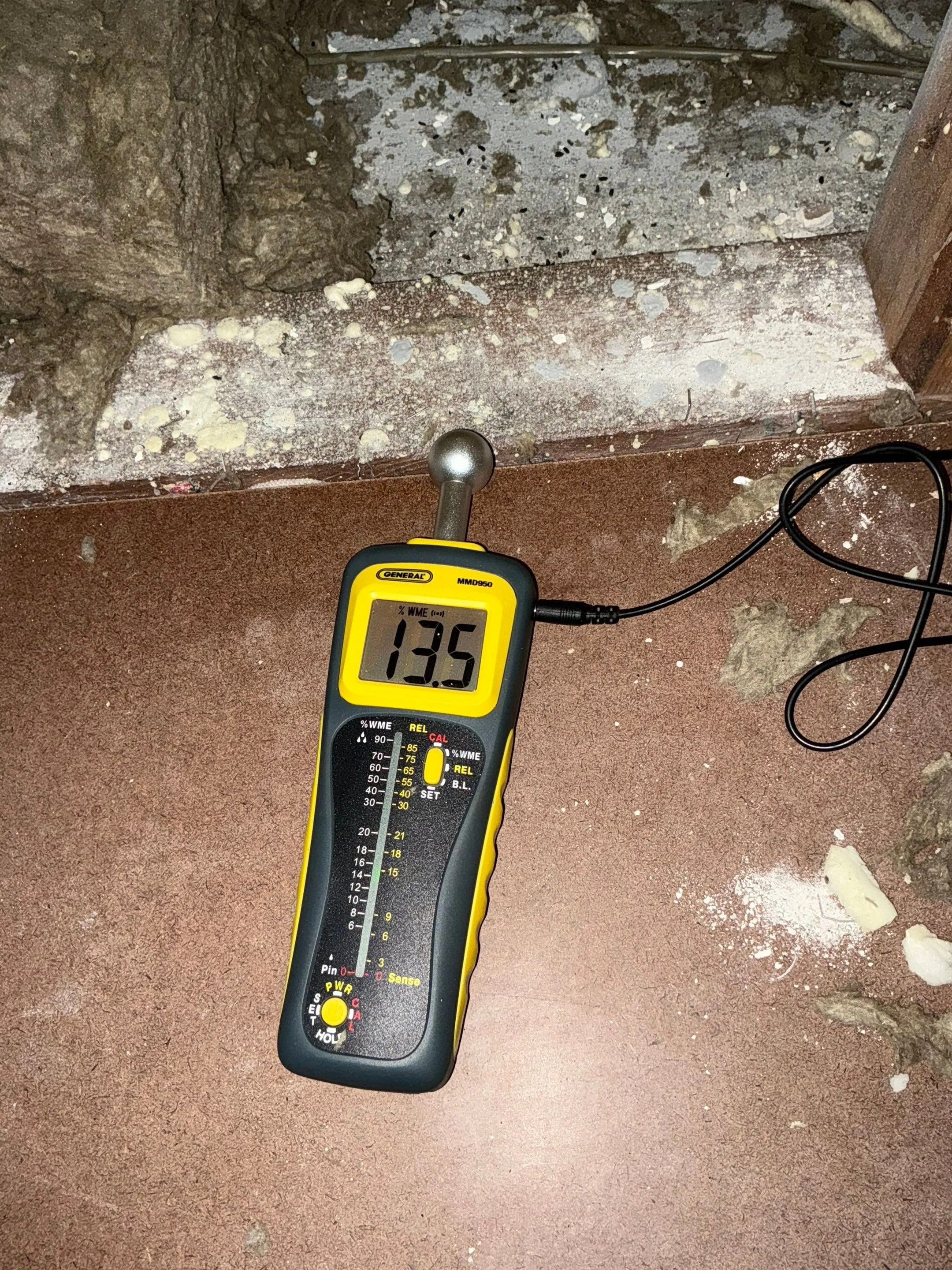
One renter had installed multiple air purifiers but kept feeling ill at home. Testing revealed the real cause: incorrectly installed insulation and a vapor barrier had trapped moisture against a wood floor, and a chemical reaction between the damp wood and its finish was producing acetone. No amount of air purification could have solved that, because the air purifiers were treating a symptom, not the source. Once the faulty materials were removed, the floor dried out and the off-gassing stopped.
This is why we test before we recommend anything. Air quality problems often have a root cause hiding somewhere in the building itself, not in the air alone.
Who is this for?
Homeowners experiencing unexplained health symptoms, odors, or humidity issues
Buyers wanting to understand a home’s air quality before closing
Renters and landlords investigating a health concern tied to a specific unit or building
Architects and builders selecting materials and ventilation strategies that minimize VOC exposure
Municipalities, schools, and institutions responsible for the health and safety of occupants in public buildings
Nonprofits and commercial property owners addressing occupant complaints or planning healthier renovations
Once we identify what’s affecting your air quality, we develop a scope of work to correct it, whether that means addressing a moisture source, removing a contaminated material, or improving ventilation. We then return to verify the fix worked using the same testing methods that found the problem, so you’re not just told it’s resolved, you know it is. Healthier, safer, more comfortable spaces start with knowing what’s actually in the air.